Orbital Situation
moderateThe current orbital environment contains 27,432 tracked objects, with 127 identified as high-risk. Continuous monitoring is required to assess potential collision threats and manage satellite operations effectively.
Space Weather
low#### 2. TOP 5 OPERATIONAL SIGNALS - Kp index reported at 2.67, indicating low geomagnetic activity. - Recent solar flare activity includes a C3.3 event. - Ten launches scheduled within the next ten days, including significant missions such as Starlink Group 31-1. - A total of 27,432 tracked objects in orbit, with 127 classified as high-risk debris. - Eleven high-priority Earth observation events, including Tropical Storm Gonzalo and Hurricane Nolo. #### 3. ORBITAL SITUATION The current orbital environment contains 27,432 tracked objects, with 127 identified as high-risk. Continuous monitoring is required to assess potential collision threats and manage satellite operations effectively. #### 4. SPACE WEATHER The Kp index is currently at 2.67, reflecting minimal geomagnetic disturbances. The risk score is assessed at 18 out of 100, indicating low potential for significant space weather impacts on satellite operations.
Launch Activity
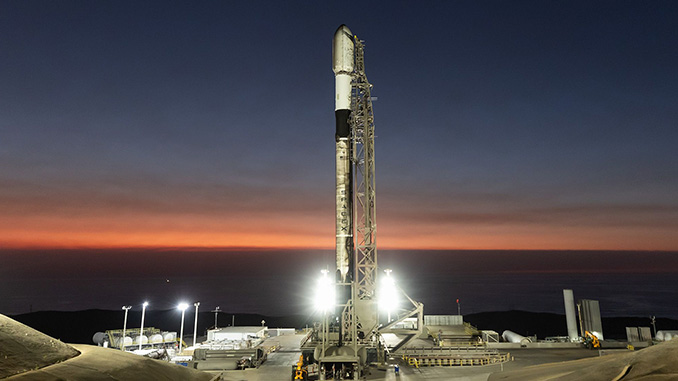
lowThere are ten upcoming launches scheduled over the next ten days, including multiple missions from the Electron and Falcon 9 Block 5 rockets. These launches will require coordination to ensure safe operations within the orbital environment.
Debris Watch
elevatedA total of 27,432 tracked objects are currently in orbit, with 127 categorized as high-risk debris. Ongoing assessments are necessary to mitigate collision risks during upcoming launch activities.
Earth Observation
critical#### 2. TOP 5 OPERATIONAL SIGNALS - Kp index reported at 2.67, indicating low geomagnetic activity. - Recent solar flare activity includes a C3.3 event. - Ten launches scheduled within the next ten days, including significant missions such as Starlink Group 31-1. - A total of 27,432 tracked objects in orbit, with 127 classified as high-risk debris. - Eleven high-priority Earth observation events, including Tropical Storm Gonzalo and Hurricane Nolo. #### 3. ORBITAL SITUATION The current orbital environment contains 27,432 tracked objects, with 127 identified as high-risk. Continuous monitoring is required to assess potential collision threats and manage satellite operations effectively. #### 4. SPACE WEATHER The Kp index is currently at 2.67, reflecting minimal geomagnetic disturbances. The risk score is assessed at 18 out of 100, indicating low potential for significant space weather impacts on satellite operations. #### 5. LAUNCH ACTIVITY There are ten upcoming launches scheduled over the next ten days, including multiple missions from the Electron and Falcon 9 Block 5 rockets. These launches will require coordination to ensure safe operations within the orbital environment. #### 6. DEBRIS WATCH A total of 27,432 tracked objects are currently in orbit, with 127 categorized as high-risk debris. Ongoing assessments are necessary to mitigate collision risks during upcoming launch activities. #### 7. EARTH OBSERVATION Eleven high-priority Earth observation events have been reported, including Tropical Storm Gonzalo, Hurricane Nolo, and Tropical Storm Surigae. These events require immediate attention for potential impacts on both human activities and satellite operations.
Analyst Notes
lowData confidence is moderate, with real-time updates on space weather and debris tracking being critical for operational safety. Limitations in source data may affect the timeliness of threat assessments.